


MCCB vs MCB vs RCD: Complete Industrial Circuit Breaker Classification Guide
Choosing between an MCCB, MCB, and RCD starts with understanding what each device is designed to protect. These circuit breaker types are not interchangeable: one may protect equipment from overload, another may handle higher industrial fault levels, and another may protect people from electric shock. This circuit breaker comparison explains where each device fits so industrial buyers, electricians, and facility teams can select electrical safety devices with more confidence.
Which circuit breaker type do you need?
You need the device that matches the risk you are controlling. An MCB is typically selected for lower-current final circuits, an MCCB is used where higher capacity and adjustable protection may be required, and an RCD is chosen when leakage current or electric shock protection is the priority. In many installations, these electrical protection devices work together rather than competing for the same role.
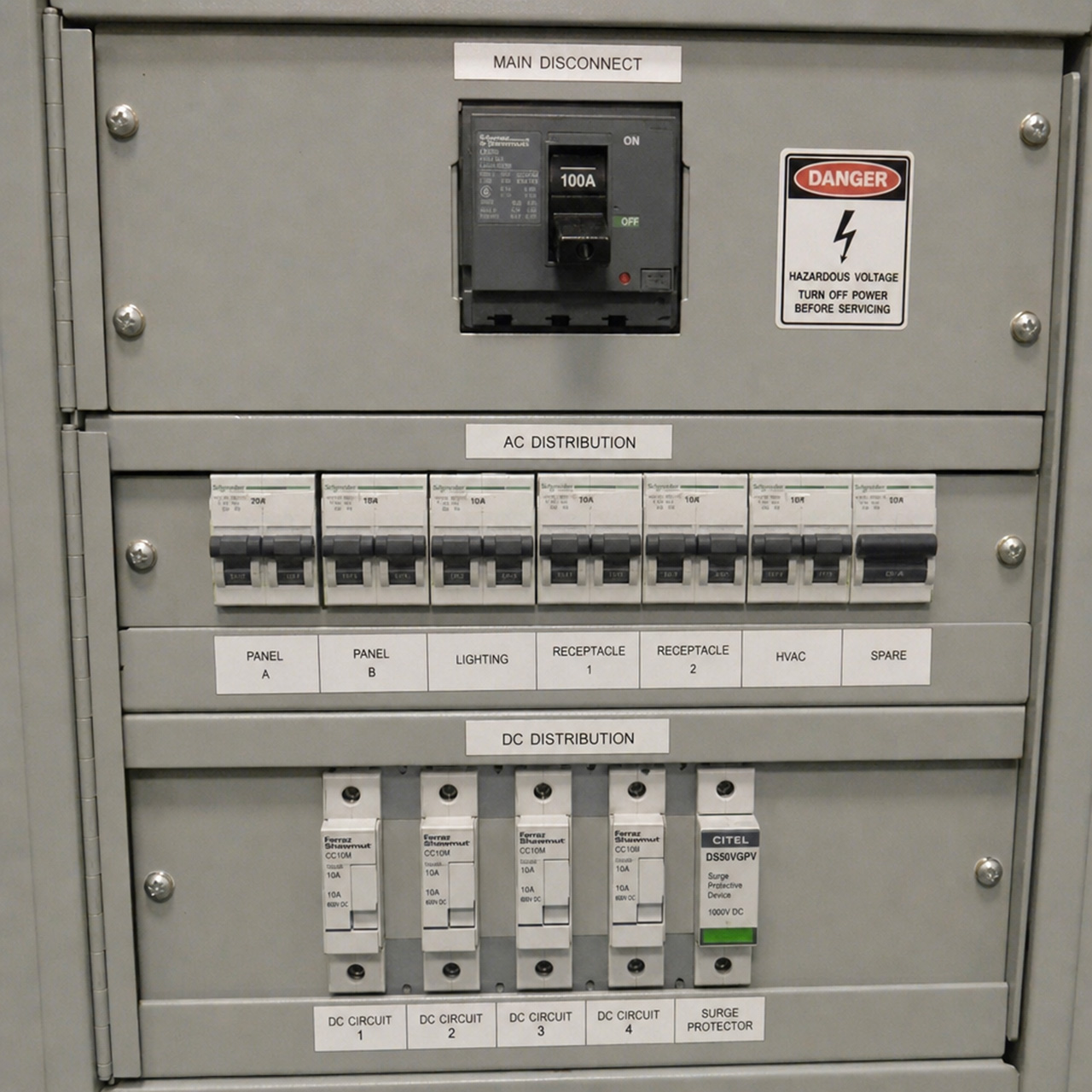
Core differences at a glance
Use the same criteria when comparing MCCB vs MCB vs RCD, because the right choice depends on protection purpose, circuit size, fault level, and operating environment.
· MCB, or miniature circuit breaker
o Protects mainly against overload and short-circuit conditions.
o Commonly used in lighting, socket, control, and smaller distribution circuits.
o Usually compact, standardized, and easy to reset after a trip.
o Best when the circuit rating is modest and advanced adjustability is not required.
· MCCB, or molded case circuit breaker
o Protects against overloads and short circuits in higher-capacity circuits.
o Often used in industrial panels, feeders, motors, and larger distribution boards.
o May offer adjustable trip settings depending on the model and application.
o Best when the installation demands higher breaking capacity or more configurable protection.
· RCD, or residual current device
o Detects current leakage to earth and disconnects the circuit when leakage exceeds its threshold.
o Used to reduce electric shock risk and help protect against earth-fault hazards.
o Does not replace overload and short-circuit protection unless integrated into a combined device.
o Best when personnel safety and leakage-current detection are central concerns.
MCCB vs MCB: what changes in industrial use?
The mccb vs mcb decision usually comes down to scale and control. An MCB is practical for smaller branch circuits because it is simple, compact, and suited to routine distribution protection. It is often the clearer choice where loads are predictable and the required interrupting capacity is within the device rating.
An MCCB is more appropriate when the circuit supplies larger loads, has higher prospective fault current, or needs settings tailored to equipment behavior. In industrial systems, that flexibility can help coordinate protection between upstream and downstream devices. The practical implication is simple: use MCBs for smaller final circuits and consider MCCBs for feeders, machinery, and heavier distribution points.
MCB vs RCD: are they protecting the same thing?
No. The mcb vs rcd comparison is about different hazards. An MCB trips for excess current caused by overload or short circuit, while an RCD trips when it senses imbalance caused by leakage current.
That means an RCD can improve protection for people, but it should not be treated as a complete substitute for overcurrent protection. A well-designed installation may use both: the MCB protects wiring and equipment from damaging current, while the RCD adds leakage and shock-risk protection.
Decision summary for safer selection
Choose based on the job the device must perform, not just the name on the panel.
· Select MCB for smaller circuits needing overload and short-circuit protection.
· Select MCCB for higher-capacity industrial circuits, feeders, or adjustable protection needs.
· Select RCD where earth leakage detection and shock-risk reduction are required.
· Combine devices when the installation needs both overcurrent protection and residual-current protection.
· Always confirm ratings, breaking capacity, trip characteristics, coordination, and local electrical rules before installation.
For an industrial circuit breaker classification guide, the safest conclusion is that MCCB, MCB, and RCD devices serve different protection layers. Correct selection improves reliability, limits equipment damage, and supports safer electrical operation across the facility.


