


50Hz vs 60Hz Frequency Converter Matching Guide for US Industrial Equipment
Power compatibility should be the last thing slowing down production. When imported machinery, test systems, motors, pumps, compressors, CNC equipment, or automation lines are built for a different utility frequency, a properly matched frequency conversion system helps your equipment operate with the power profile it was designed to receive.
Our industrial frequency converter solutions are built to help US facilities bridge the gap between 50Hz and 60Hz power requirements while also supporting voltage matching, phase compatibility, and load-specific performance needs. Whether you are commissioning European equipment in a US plant, exporting US-built machinery overseas, or validating products under multiple power standards, we help you select a dependable 50hz vs 60hz frequency converter for your application.
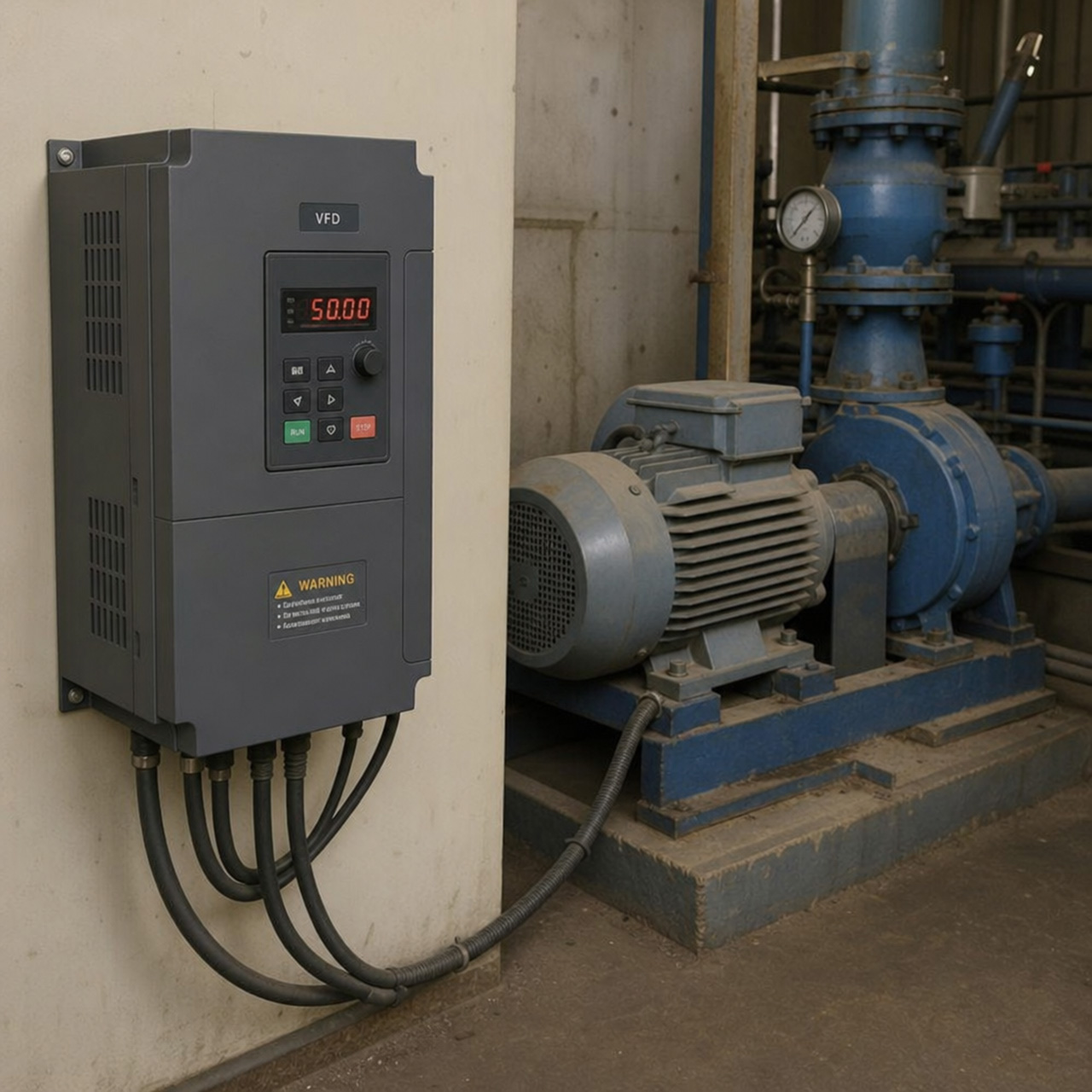
Match Global Equipment to US Power With Confidence
In the United States, most industrial facilities operate on 60Hz power. However, many machines manufactured for international markets are designed around 50Hz input. That difference may seem small, but for equipment with motors, transformers, timing devices, drives, pumps, fans, and electromechanical controls, frequency can affect speed, heat, torque, efficiency, and long-term reliability.
A voltage frequency converter helps solve that problem by delivering the correct output frequency and voltage for the connected load. Instead of forcing equipment to run outside its intended design range, the converter creates a compatible power supply for testing, production, or permanent operation.
Use this solution when you need to:
- Run 50Hz industrial equipment in a 60Hz US facility
- Test US-made equipment under 50Hz export conditions
- Convert voltage and frequency together for imported machinery
- Support multi-standard production lines and lab environments
- Reduce the risk of overheating, nuisance faults, or unstable operation
- Simplify commissioning when utility power does not match equipment requirements
Why the 50hz vs 60hz Difference Matters
The 50hz vs 60hz decision is not only about the number on the nameplate. Frequency affects how certain electrical and mechanical systems behave. For example, an AC motor designed to run directly from line frequency may rotate faster at 60Hz than at 50Hz. A transformer may heat differently if the voltage-to-frequency ratio is not appropriate. Equipment with internal controls may also require stable power to perform reliably.
Some modern machines include internal drives or universal power supplies that can accept a broad input range. Others cannot. That is why converter sizing should be based on the actual load, not assumptions. Our matching process reviews the equipment nameplate, voltage, phase, frequency, power draw, load type, start-up current, duty cycle, and operating environment before recommending a configuration.
Built for Industrial Loads, Not Guesswork
Industrial equipment often demands more than basic plug-in conversion. Motors can require high starting current. Pumps and compressors may cycle under load. Test benches may need repeatable frequency settings. Automation systems may combine sensitive electronics with mechanical loads. A properly specified 50hz vs 60hz frequency converter must account for these real-world conditions.
Our converter configurations can support applications such as:
- Manufacturing machinery
- CNC machines and machine tools
- Pumps, fans, and blowers
- Compressors and hydraulic systems
- Laboratory and product testing equipment
- Packaging and processing lines
- Aerospace, defense, and marine support equipment
- Imported OEM equipment
- Export validation and factory acceptance testing
If you are unsure whether your equipment needs a frequency converter, our team can review the available electrical data and help identify the safest next step.
Key Features
Frequency Conversion for 50Hz and 60Hz Applications
Configure output frequency to support equipment designed for either common industrial standard. This makes the system useful for both imported equipment in the US and export-oriented testing.
Voltage Matching for Global Equipment
A voltage frequency converter can be selected to align output voltage with your equipment requirements. This is especially important when frequency and voltage both differ from local utility power.
Single-Phase and Three-Phase Options
Industrial environments vary widely. Converter systems may be configured for single-phase or three-phase applications depending on the connected equipment and site power.
Load-Specific Sizing Support
We help match converter capacity to your actual application, including running load, starting demand, continuous or intermittent duty, and future expansion considerations.
Stable Output for Sensitive Operations
For production equipment and test environments, stable power matters. Proper frequency conversion supports repeatable performance and helps reduce disruptions caused by incompatible input power.
Industrial Integration Options
Depending on your application, systems may be configured for installation style, controls, protection features, enclosure needs, and environmental conditions. When exact requirements are not yet known, we provide guidance based on your operating goals.
Benefits for US Industrial Facilities
Choosing the right frequency converter can help protect your investment and streamline operations. Instead of modifying equipment, replacing motors, or accepting performance issues, you can provide the power conditions the machine was built for.
Benefits may include:
- Faster commissioning of imported machinery
- Reduced compatibility issues between US power and 50Hz equipment
- Improved confidence during export testing
- Better support for motor-driven and mixed-load systems
- Fewer power-related troubleshooting delays
- Scalable options for production, testing, and maintenance teams
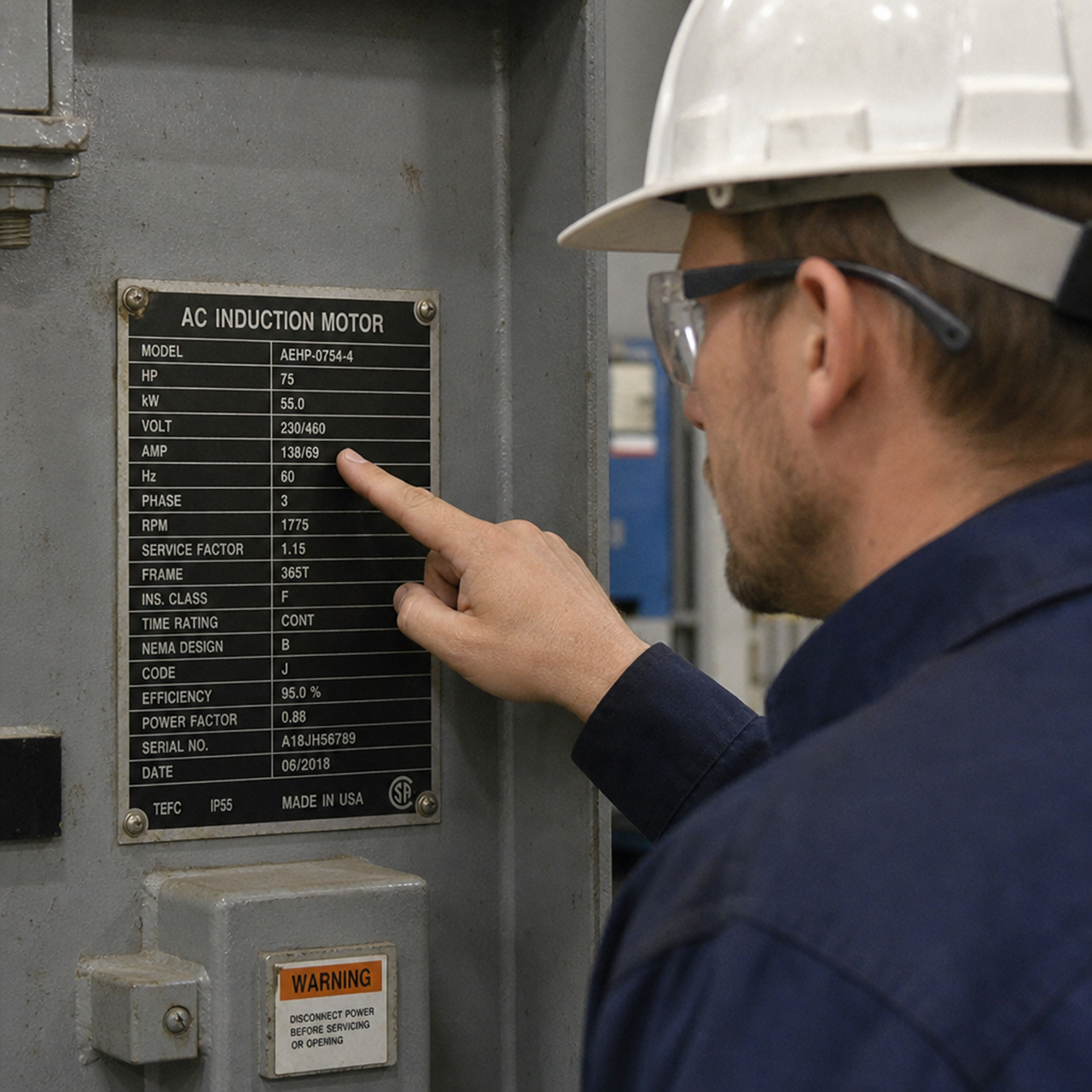
- A clearer path from equipment nameplate data to converter selection
For purchasing teams, the biggest benefit is clarity. You do not have to determine the correct converter alone. We turn electrical requirements into a practical recommendation so you can move forward with a solution that fits the load.
How We Match the Right Converter
Our matching process is designed to reduce uncertainty. To recommend the correct system, we typically ask for information such as:
1. Equipment input voltage
2. Required frequency, such as 50Hz or 60Hz
3. Single-phase or three-phase power requirement
4. Rated current, kW, HP, kVA, or amperage
5. Motor starting method or inrush characteristics, if known
6. Type of load, such as motor, transformer, heater, electronics, or mixed load
7. Continuous or intermittent operation
8. Site power available in your facility
9. Installation environment and enclosure needs
10. Any compliance, testing, or export requirements
If you only have a photo of the equipment nameplate, that is often a good starting point. From there, we can help identify the missing details and determine whether a standard or custom configuration is appropriate.
Pricing and Configuration
Frequency converter pricing depends on capacity, input and output voltage, phase, frequency range, enclosure, controls, protection features, and application demands. Because industrial loads vary significantly, we provide quote-based pricing rather than a one-size-fits-all number.
Requesting a quote helps ensure you receive a converter that is sized for your real equipment, not just a generic estimate. For the fastest response, include equipment nameplate information, site voltage, required output power, and any start-up or duty-cycle details you have available.
Choosing Between Standard and Custom Solutions
A standard configuration may be suitable when the voltage, phase, frequency, and capacity requirements are straightforward. A custom configuration may be better when your equipment has high inrush current, unusual voltage requirements, continuous heavy-duty operation, environmental constraints, or integrated control needs.
We can help you compare both paths and select a practical option based on risk, performance, budget, and installation requirements.
Get the Right Power Match Before You Install
Do not wait until commissioning day to discover a power mismatch. A properly selected voltage frequency converter can help your equipment operate as intended, reduce start-up delays, and support reliable performance in a US industrial setting.
Send us your equipment details today to get a recommended converter configuration for your 50Hz or 60Hz application. Our team will review your requirements and help you move forward with a solution built around your load, facility, and operating goals.
Request a converter recommendation or quote now and make your next installation power-ready.


